Introduction
介绍
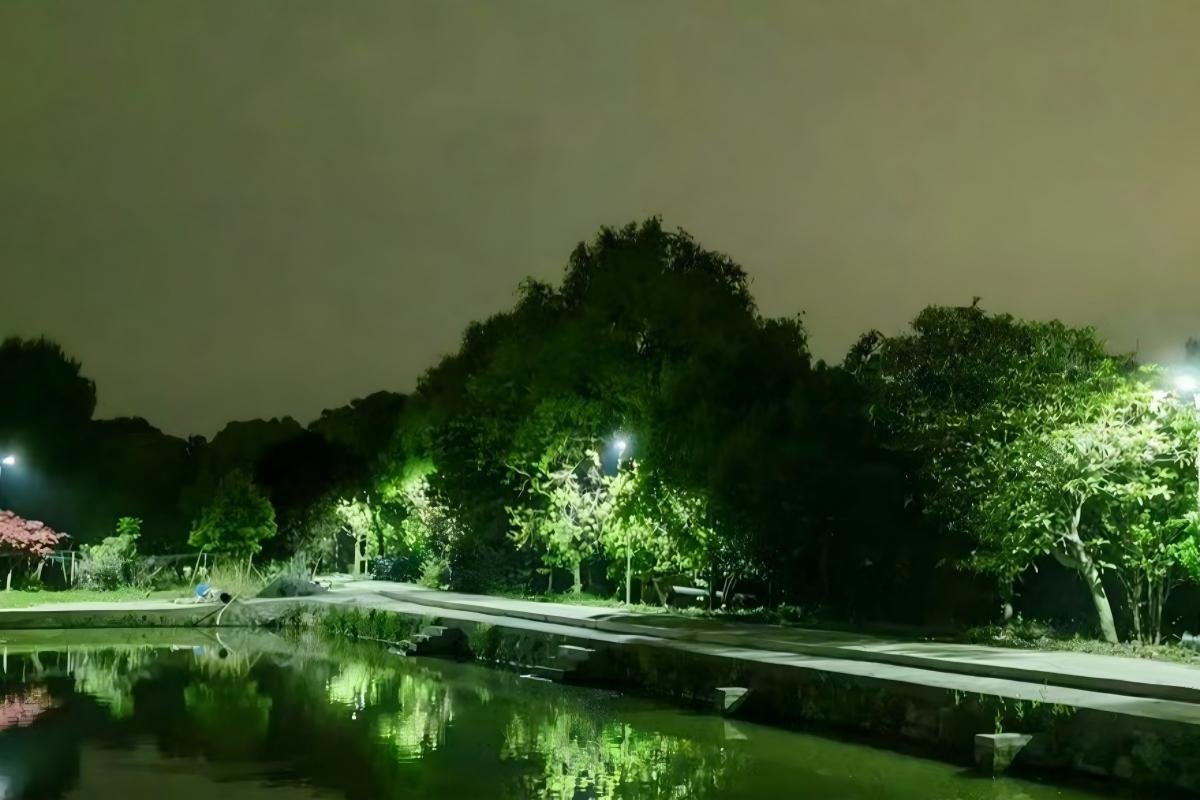
With the growing popularity of sustainable outdoor lighting, solar garden lights have become a preferred choice for residential gardens, parks, pathways, and landscape projects. Powered by renewable solar energy, these lights provide decorative and functional illumination while reducing electricity consumption. However, many people also wonder whether solar garden lights can affect surrounding plants and vegetation.
随着可持续户外照明的日益普及,太阳能庭院灯已成为住宅花园、公园、小径和景观项目的首选。这些灯具利用可再生的太阳能供电,兼具装饰性与实用性。
In general, properly installed solar garden lights have minimal impact on plant growth and can even support environmentally friendly landscaping. Understanding how lighting interacts with vegetation can help users create a healthier and more balanced outdoor environment.
总的来说,正确安装的太阳能庭院灯对植物生长影响极小,甚至能支持环境友善的景观设计。了解
Minimal Damage During Installation
安装过程中损伤极小
One major advantage of solar garden lights is their easy installation process. Unlike traditional wired lighting systems, solar lights do not require extensive underground cabling, trenching, or frequent excavation. This greatly reduces disturbance to:
太阳能庭院灯的一个主要优势在于其简便的安装过程。与传统的有线照明系统不同,太阳能灯无需进行大规模的地下布线。
- Lawn surfaces
草坪表面 - Flower beds
花坛 - Tree root systems
树根系统 - Soil structure
土壤结构
Because of this, solar garden lights are highly suitable for gardens, parks, villas, courtyards, and landscape areas where preserving vegetation is important. Maintenance is also simpler and less disruptive to surrounding plants.
正因如此,太阳能花园灯非常适合用于花园、公园、别墅、庭院等场所。
LED Technology Is More Plant-Friendly
LED 技术对植物更友好
Most modern solar garden lights use high-efficiency LED light sources. Compared with traditional lighting systems, LEDs offer several benefits:
大多数现代太阳能庭院灯采用高效 LED 光源。与传统照明系统相比,LED 具有多项优势:
- Low energy consumption
低能耗 - Long service life
使用寿命长 - Low heat generation
低热量产生 - Stable illumination performance
稳定的照明效果
Traditional high-heat lamps may dry plant leaves or increase moisture loss when placed too close to vegetation. In contrast, LED solar lights produce far less heat, making them safer for decorative lighting near flowers, shrubs, and lawns.
传统的高热灯可能会使植物干燥
In addition, many solar garden lights include intelligent control features such as:
在一个
- Motion sensors
运动传感器 - Timers
定时器 - Automatic dimming
自动调光 - Midnight power-saving modes
午夜省电模式
These functions help reduce unnecessary nighttime lighting and improve overall energy efficiency.
这些功能有助于减少不必要的夜间照明,并提高整体能源效率。
Potential Effects of Improper Lighting
电位器
Although solar garden lights are generally safe, improper use may still influence plant growth. Plants rely on natural day-night cycles to regulate biological processes such as:
尽管太阳能庭院灯通常是安全的,但使用不当仍可能影响植物生长。
- Flowering
开花 - Dormancy
休眠期 - Leaf shedding
落叶 - Seasonal growth
季节性生长
Continuous artificial lighting at night can disrupt these natural rhythms, especially for light-sensitive plants.
夜间持续的人工照明会扰乱这些自然节律,特别是对光敏感的植物。
For example:
例如:
- Short-day plants may experience delayed flowering
短日照植物可能会出现花期延迟。 - Some trees may enter dormancy later than normal
有些树木可能比正常情况更晚进入休眠期。 - Young shoots may continue growing due to prolonged exposure to light
嫩芽可能会继续生长。
Over time, excessive nighttime illumination may affect the overall health and appearance of certain plants.
随着时间的推移,夜间过度照明可能会影响某些植物的整体健康和外观。
Importance of Proper Light Placement
正确灯光布置的重要性
The installation position of solar garden lights also plays an important role. If lighting remains focused on one plant for extended periods, it may create excessive localized illumination.
太阳能花园灯的安装位置同样至关重要。如果灯光长时间集中照射某一植物,可能会导致该区域光照过强。
This can lead to problems such as:
这可能导致问题
- Slower growth in shade-loving plants
喜阴植物生长速度较慢 - Faded leaf color
叶片颜色变淡 - Dry or damaged foliage
干燥或受损的叶片 - Changes in natural growth patterns
自然生长模式的变化
In addition, strong cool white lighting may attract insects, which can indirectly affect the surrounding garden ecosystem.
此外,强烈的冷白光可能吸引昆虫,这可能会间接影响周围花园的生态系统。
How to Reduce the Impact on Plants
如何减少对植物的影响
To create a plant-friendly outdoor lighting environment, the following recommendations are helpful:
为营造对植物友好的户外照明环境,以下建议可供参考:
Choose Warm White Lighting
选择暖白色照明
Warm white lights around 3000K are generally softer and less disruptive to plants and insects than cool white lighting.
色温约 3000K 的暖白光通常比冷白光更柔和,对植物和昆虫的干扰也更小。
Use Low-Brightness Fixtures
使用低亮度灯具
Moderate brightness is usually sufficient for garden decoration and pathway illumination while minimizing environmental impact.
中等亮度通常足以满足需求。
Select Anti-Glare Designs
选择防眩光设计
Anti-glare solar garden lights help distribute light evenly and reduce direct exposure to nearby vegetation.
防眩光太阳能庭院灯有助于均匀分布光线,并减少对附近植被的直接照射。
Avoid Direct Illumination on Plants
避免
Lights should not continuously shine directly onto flowers, shrubs, or young plants.
灯光不应持续直接照射到花朵、灌木或幼小植物上。
Use Smart Lighting Controls
Motion sensors, timers, and dimming functions can reduce unnecessary lighting duration and support energy savings.
运动传感器、定时器和调光功能可以减少不必要的照明时间,并有助于节能。
Conclusion
结论
Overall, solar garden lights have relatively little impact on surrounding vegetation when properly selected and installed. Their eco-friendly design, low heat output, and wireless installation make them an excellent solution for modern landscape lighting.
总体而言,太阳能花园灯在正确选择的情况下对周围植被的影响相对较小。
By choosing suitable color temperatures, brightness levels, and installation positions, users can successfully balance outdoor lighting needs with healthy plant growth and environmental protection. As sustainable landscaping continues to grow in popularity, solar garden lights remain an efficient and environmentally responsible lighting choice.