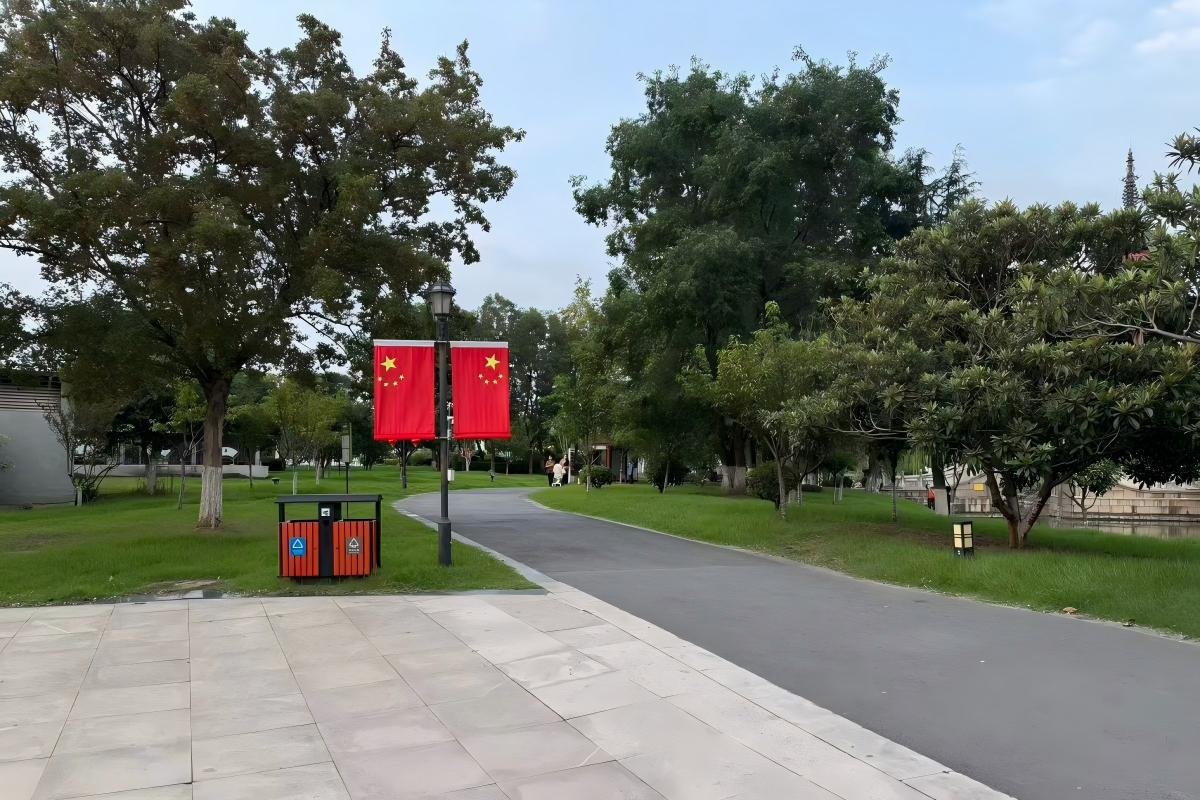
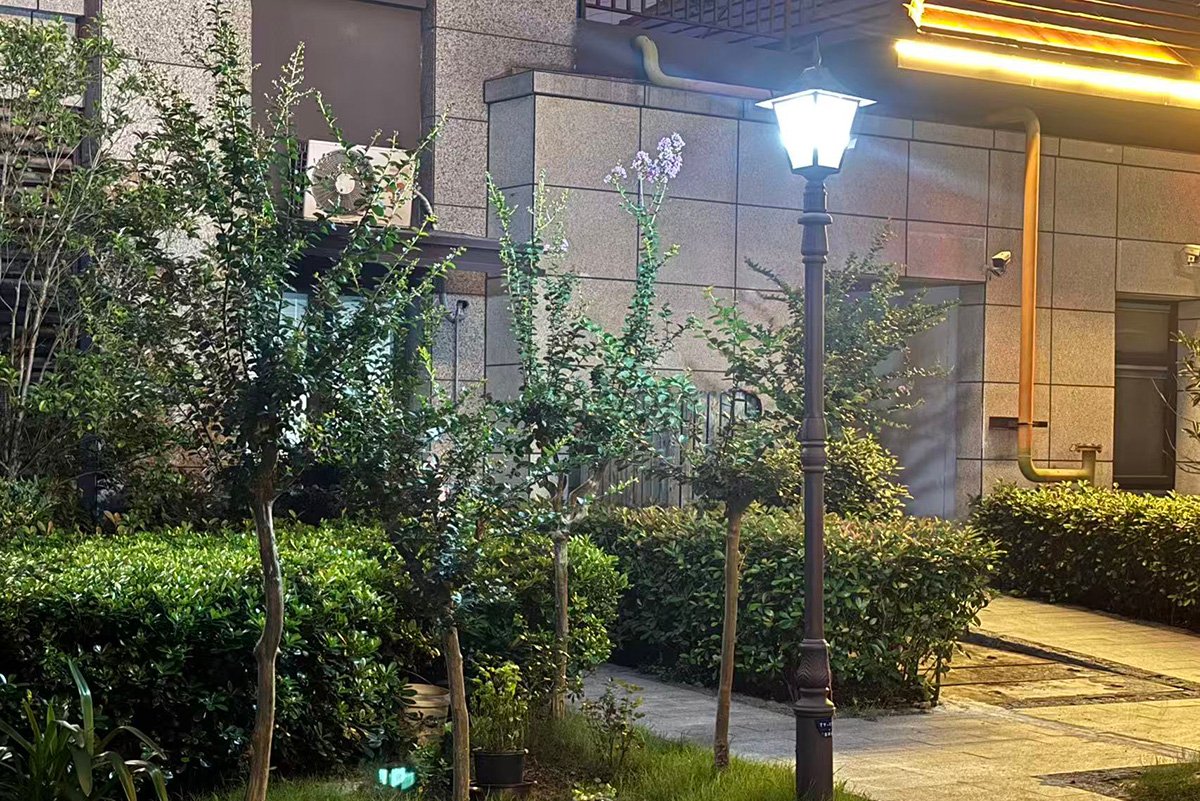
solar street light

News From VER

LED Street Light Related Issues 3

Ensure compliance with lighting standards, structural safety, and proper grounding. Use high-efficiency, glare-controlled luminaires, follow correct installation procedures, and support smart, modular upgrades.

Read More »

LED Street Light Related Issues 2

LED street lights feature high-efficiency LED light sources and premium heat dissipation structures, offering high luminous efficacy, low energy consumption, and a long service life. Multiple optical lens options and intelligent control functions (such as dimming, photocell sensing, and IoT control) are available, making them ideal for urban roads, residential areas, and public lighting projects while ensuring both energy savings and operational stability.

Read More »

LED Street Light Related Issues 1

LED street lights are outdoor lighting fixtures that use high-efficiency LED light sources. They feature high luminous efficacy, low energy consumption, and a long service life. Compared with traditional street lights, LED street lights provide higher brightness, better color rendering, improved energy efficiency, and lower maintenance costs. They are widely used for urban and rural roads, industrial parks, and public-area lighting.

Read More »

What Wattage Is Required for LED Street Lights?

LED street lights typically require 20W to over 200W, depending on the application. Low wattages below 30W are suitable for sidewalks and residential areas, while 30–80W fits secondary roads and commercial streets. Main roads and intersections usually need 80–120W, and highways or wide roads require 120–200W. Wattages above 200W are used for tunnels and industrial areas. Proper selection depends on road type, brightness requirements, and installation conditions.

Read More »

Which Color Temperature Is Best for LED Street Lights?

The color temperature of LED street lights should be selected based on road function and environment. Main roads are suitable for 4000–5000K to provide high brightness and clear visibility. Secondary roads and residential areas are better with 3000–4000K for softer light and reduced glare. Parks and scenic areas typically use 3000K to create a comfortable atmosphere.

Read More »