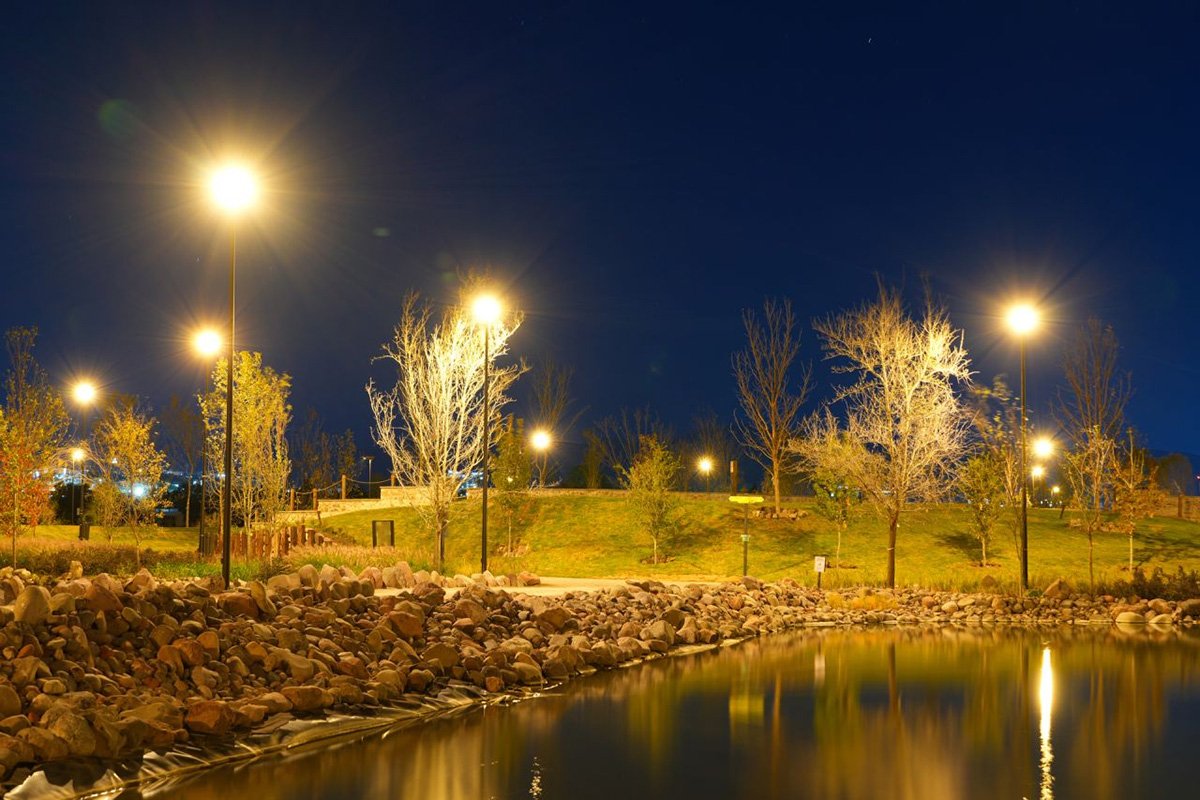
Solar garden lights rely on sunlight to charge their batteries during the day and provide illumination at night. Therefore, adequate sun exposure is one of the most important factors affecting brightness, runtime, and long-term performance. If installed in the right location with sufficient sunlight, solar garden lights can deliver stable, energy-saving, and maintenance-friendly outdoor lighting.
Why Sunlight Is Important for Solar Garden Lights
A solar garden light uses a photovoltaic panel to convert sunlight into electricity. The generated power is then stored in a rechargeable battery and used to power the LED light after dark. If the solar panel receives limited sunlight, the battery may not fully charge, resulting in shorter lighting hours or reduced brightness at night.
Recommended Sunlight Hours
For best performance, most solar garden lights should receive:
- 4–6 hours of direct sunlight daily for normal operation
- 6–8 hours of direct sunlight for maximum charging efficiency
- More sunlight is recommended in winter or cloudy regions.
Direct sunlight means unobstructed sunlight shining directly onto the solar panel, not filtered light through trees, glass, or walls.
Best Installation Locations
To improve charging efficiency, install solar garden lights in open areas such as:
- Garden pathways
- Lawn edges
- Driveways
- Courtyards
- Patios
- Front yard or backyard open spaces
Choose a location free from shadows caused by buildings, fences, trees, or roofs.
Avoid Shaded Areas
Solar garden lights may underperform if installed in:
- Under large trees
- Beside tall walls
- Under the roof eaves
- Near garages or sheds
- Narrow corners with little sunlight
Too much shade can lead to:
- Dim lighting
- Short runtime
- Battery undercharging
- Reduced battery lifespan
Solar Panel Angle and Direction
The mounting angle and orientation of the solar panel. Also, it affects charging performance. In most regions, panels should face the sunniest direction and be tilted appropriately to capture maximum sunlight throughout the day.
For fixed solar garden lights, a south-facing direction is often ideal in the Northern Hemisphere.
Seasonal Weather Considerations
Weather conditions influence solar charging:
- Summer: Longer daylight hours provide better charging
- Winter: Shorter days may reduce runtime
- Rainy or cloudy seasons: Lower solar input may require larger battery capacity
In areas with frequent cloudy weather, choose higher-capacity solar garden lights for better backup performance.
Keep Solar Panels Clean
Dust, leaves, bird droppings, snow, or dirt on the panel surface can reduce charging efficiency. Clean the solar panel regularly with a soft cloth to maintain maximum sunlight absorption.
Conclusion
Solar garden lights need sufficient direct sunlight to perform efficiently. For the best results, install them in open sunny locations with at least 4–6 hours of daily sunlight, avoid shaded areas, and keep the solar panel clean. Proper sunlight exposure ensures brighter illumination, longer working hours, and longer battery life.