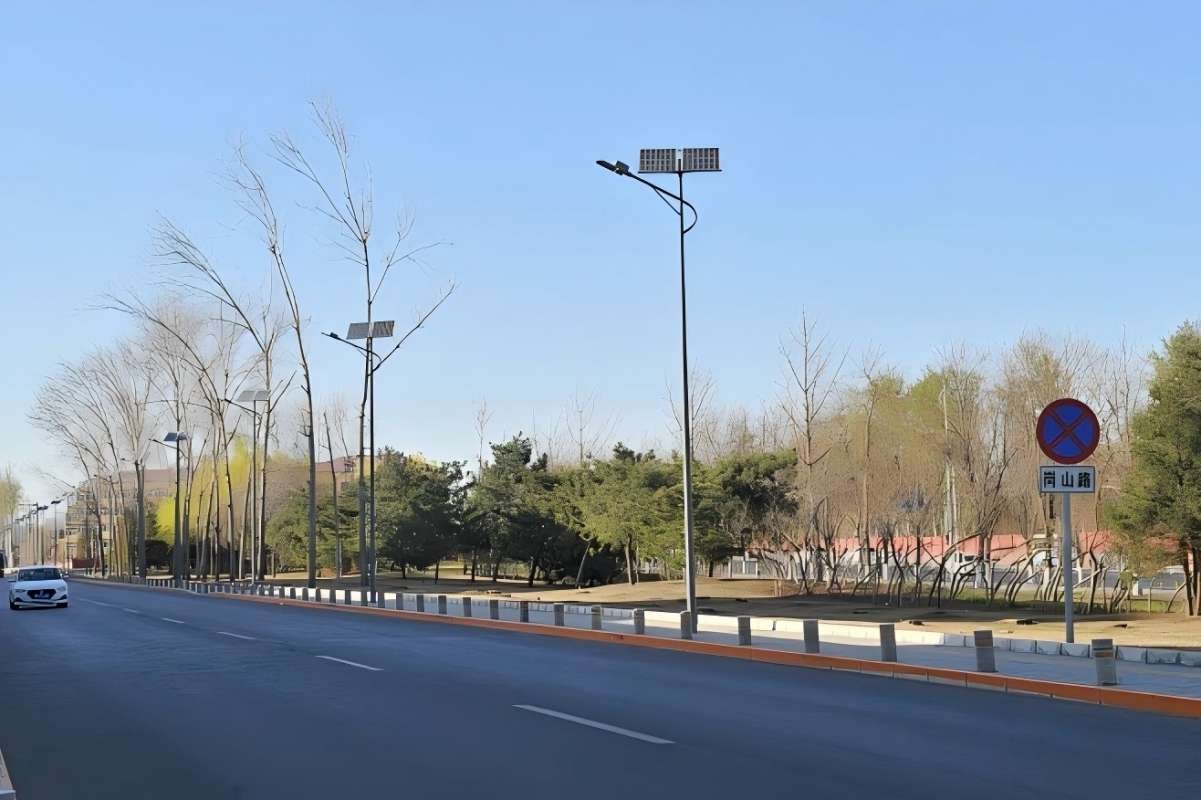
How Solar Street Lights Generate Reliable Nighttime Lighting
Learn how solar street lights work, including components, the working process, and benefits. Discover reliable, energy-efficient outdoor lighting solutions for roads and smart cities.

Learn how solar street lights work, including components, the working process, and benefits. Discover reliable, energy-efficient outdoor lighting solutions for roads and smart cities.
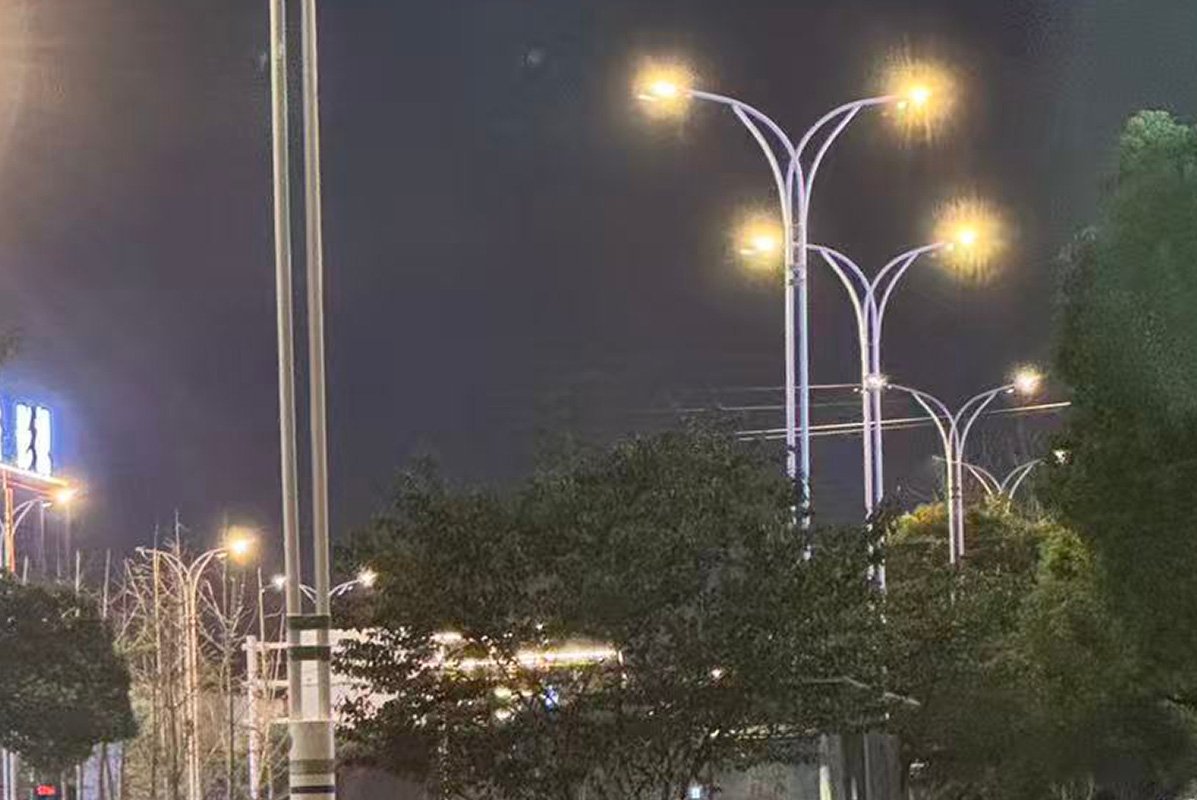
Ensure compliance with lighting standards, structural safety, and proper grounding. Use high-efficiency, glare-controlled luminaires, follow correct installation procedures, and support smart, modular upgrades.

LED street lights feature high-efficiency LED light sources and premium heat dissipation structures, offering high luminous efficacy, low energy consumption, and a long service life. Multiple optical lens options and intelligent control functions (such as dimming, photocell sensing, and IoT control) are available, making them ideal for urban roads, residential areas, and public lighting projects while ensuring both energy savings and operational stability.

LED street lights are outdoor lighting fixtures that use high-efficiency LED light sources. They feature high luminous efficacy, low energy consumption, and a long service life. Compared with traditional street lights, LED street lights provide higher brightness, better color rendering, improved energy efficiency, and lower maintenance costs. They are widely used for urban and rural roads, industrial parks, and public-area lighting.
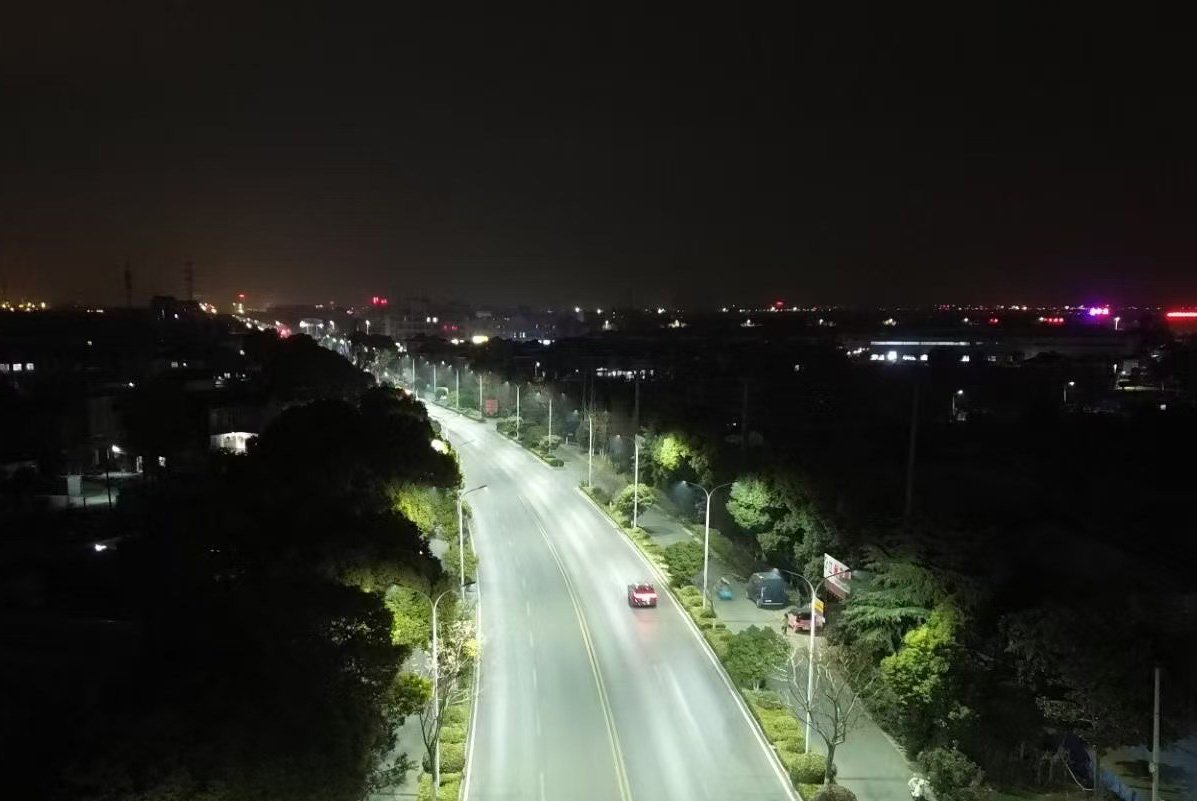
LED street lights typically require 20W to over 200W, depending on the application. Low wattages below 30W are suitable for sidewalks and residential areas, while 30–80W fits secondary roads and commercial streets. Main roads and intersections usually need 80–120W, and highways or wide roads require 120–200W. Wattages above 200W are used for tunnels and industrial areas. Proper selection depends on road type, brightness requirements, and installation conditions.
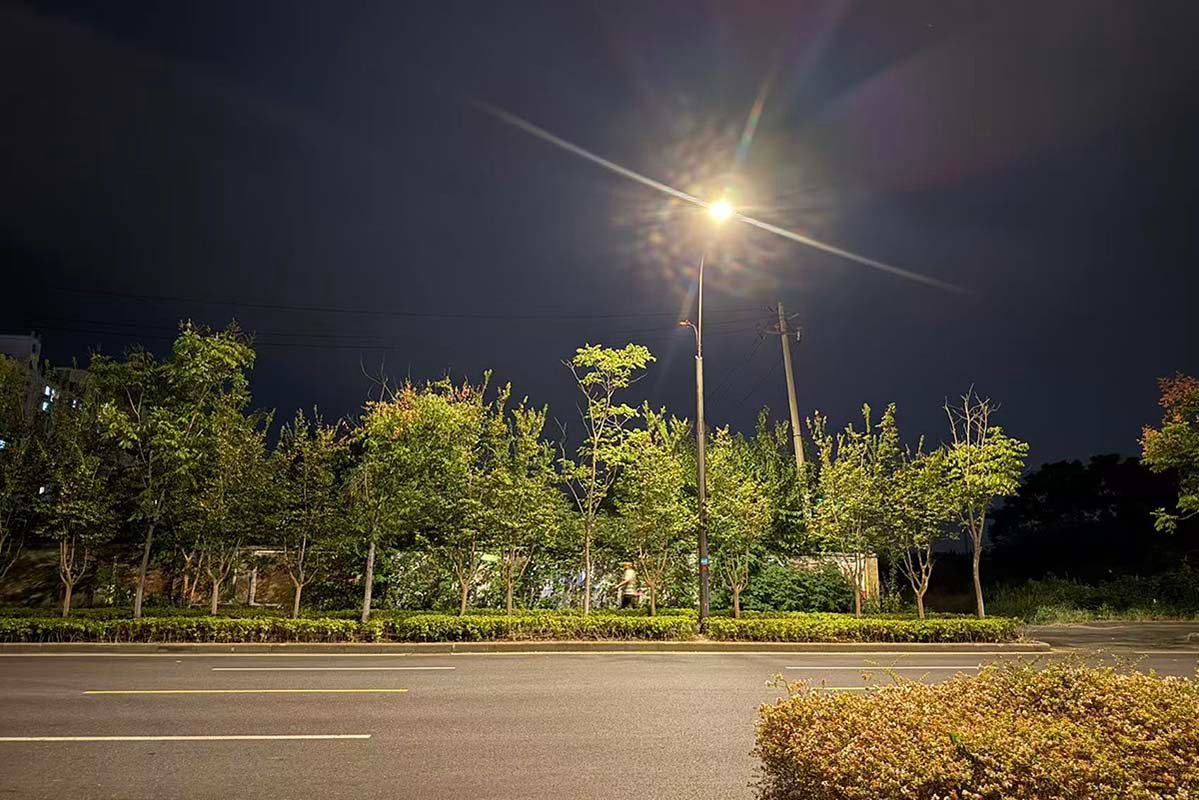
The color temperature of LED street lights should be selected based on road function and environment. Main roads are suitable for 4000–5000K to provide high brightness and clear visibility. Secondary roads and residential areas are better with 3000–4000K for softer light and reduced glare. Parks and scenic areas typically use 3000K to create a comfortable atmosphere.
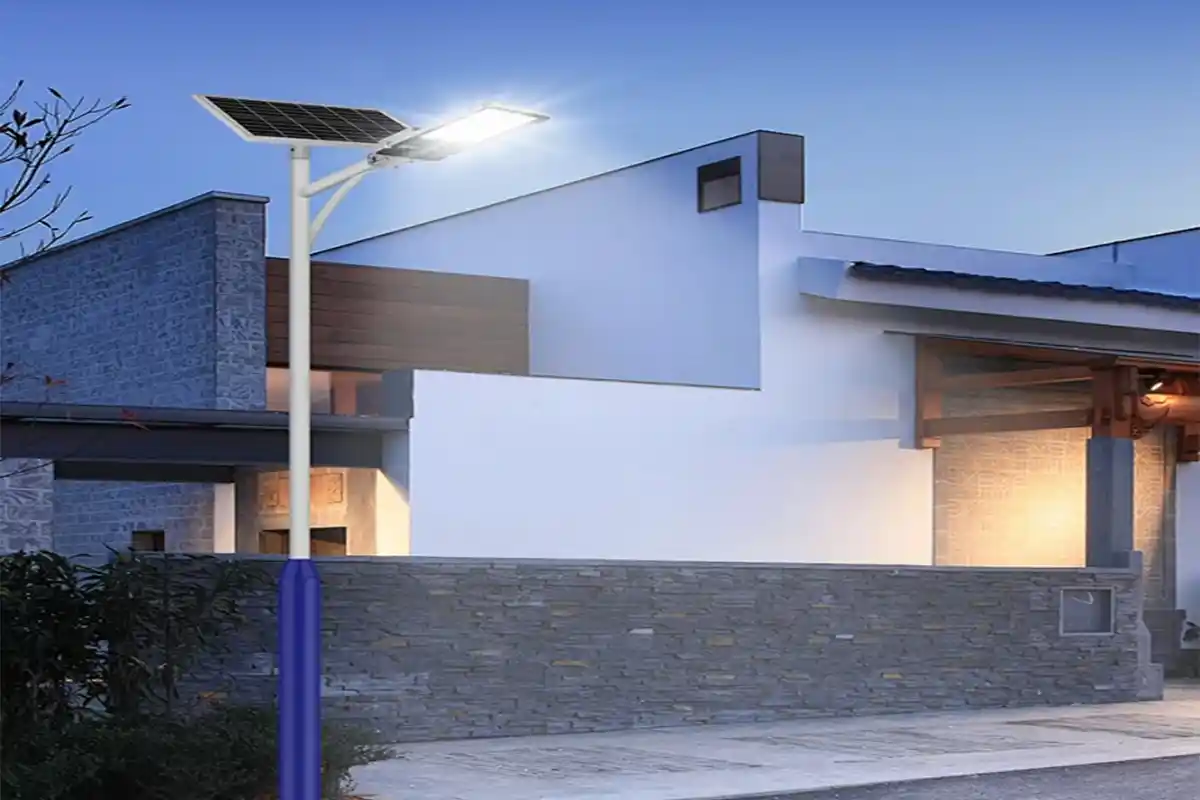
Solar streetlights typically include solar panels, a controller, a battery, an LED light source, and a lamp post. They store energy during the day and automatically illuminate at night.
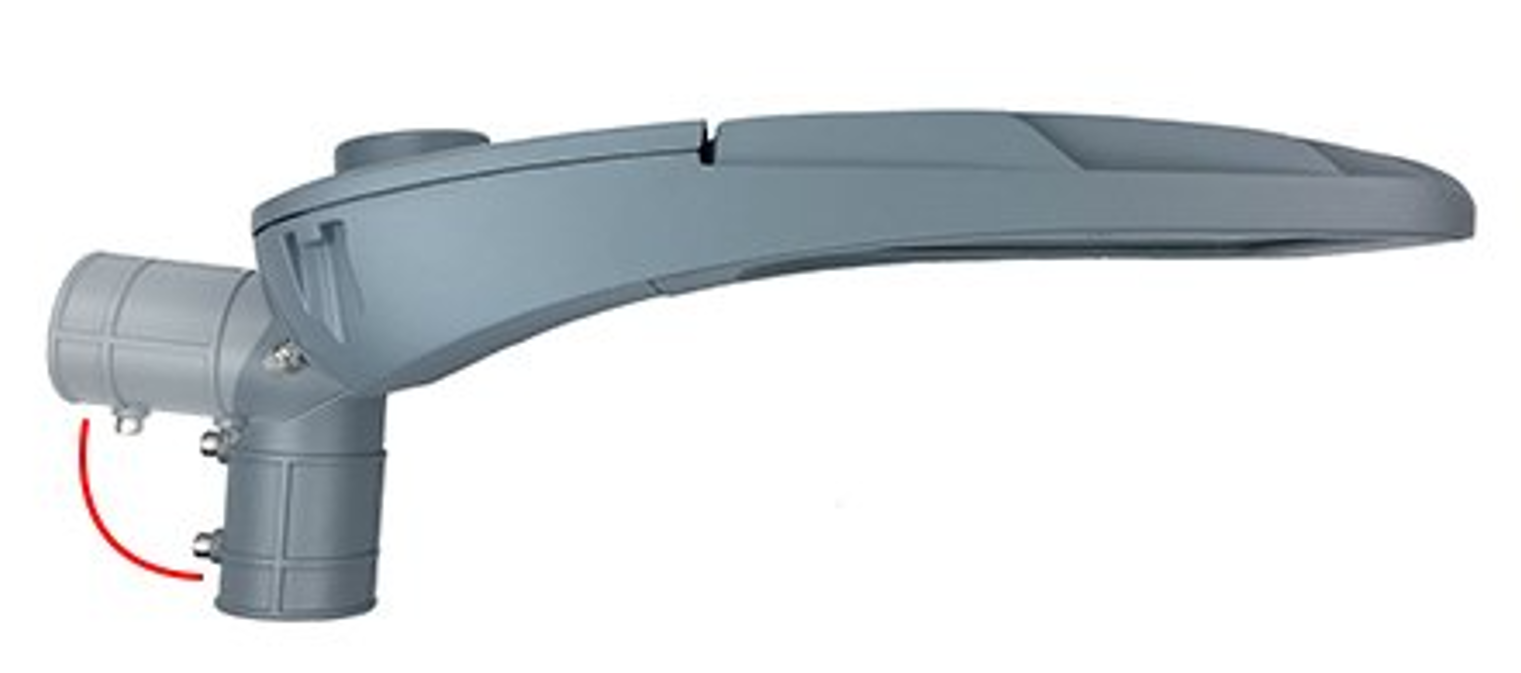
Streetlights are typically installed at an angle of 30–60°, with the angle determined by road width, traffic, and pedestrian needs. This ensures effective illumination while avoiding direct glare into drivers’ eyes. A proper installation angle improves road safety, reduces light pollution, and saves energy.
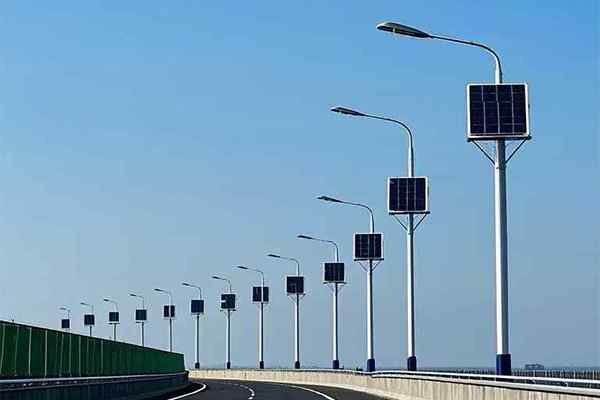
Solar street lights are green, environmentally friendly and energy-saving. With the continuous advancement and development of solar technology, the technology of solar street lights is also constantly improving, including solar panels, energy storage systems, LED lights and other aspects.
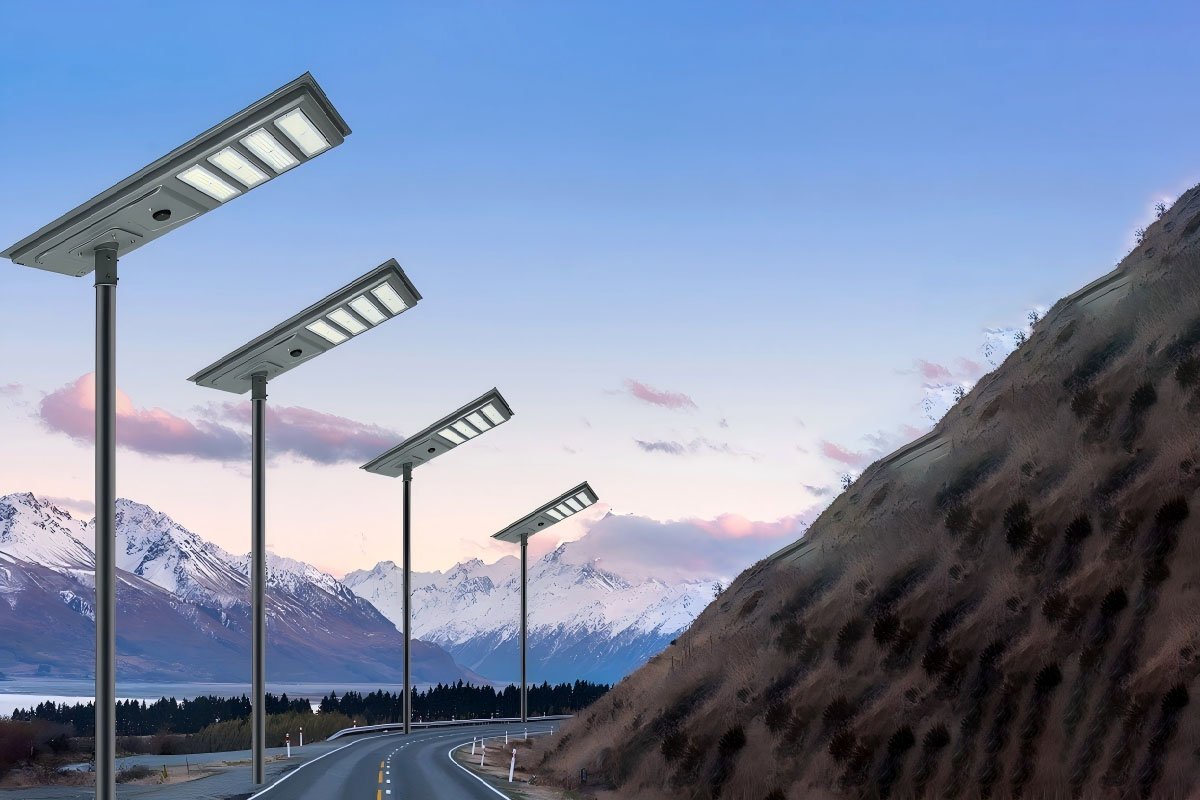
Driven by the global energy transition and carbon neutrality goals, the mainstream form of smart lighting for solar street lights. Compared with traditional street lights, it not only solves the pain points of high energy consumption and high cost, but also becomes the new favorite of urban and rural lighting with its green, intelligent and flexible characteristics.
One-Stop Outdoor Lighting Manufacturer. Bringing Sustainable Lighting Solutions to All!